The useful part first
Key takeaways
- Main-sewer rodding is best for a blockage, heavy buildup, or a line that needs to be opened up before anything else can be confirmed.
- If multiple fixtures are acting up at once, the problem is more likely on the shared line than inside one sink or toilet.
- Storm-related sewer trouble can overlap with drainage conditions in Calumet City, but that does not mean every rain backup has the same cause.
- A camera inspection can be useful after clearing if the line keeps clogging or if you need a better look at the pipe condition.
When a main sewer line is the issue, rodding is often the first practical step because it can cut through a blockage and get the line moving again. It’s a clearing service, not a repair plan.
In Calumet City, sewer problems can overlap with local drainage conditions and public sewer capacity during storms, so the useful question is not just whether the line is slow, but where the backup is showing up and when it started. That context helps match the work to the symptom.
If wastewater is already backing up, pause water use and don’t run fixtures to recreate the problem. That keeps more water out of the line while you arrange help.
Plumbers 911 connects callers with participating contractors who handle the pricing and the work. The contractor that accepts the referral confirms the scope, access, and next step.
What sewer rodding does
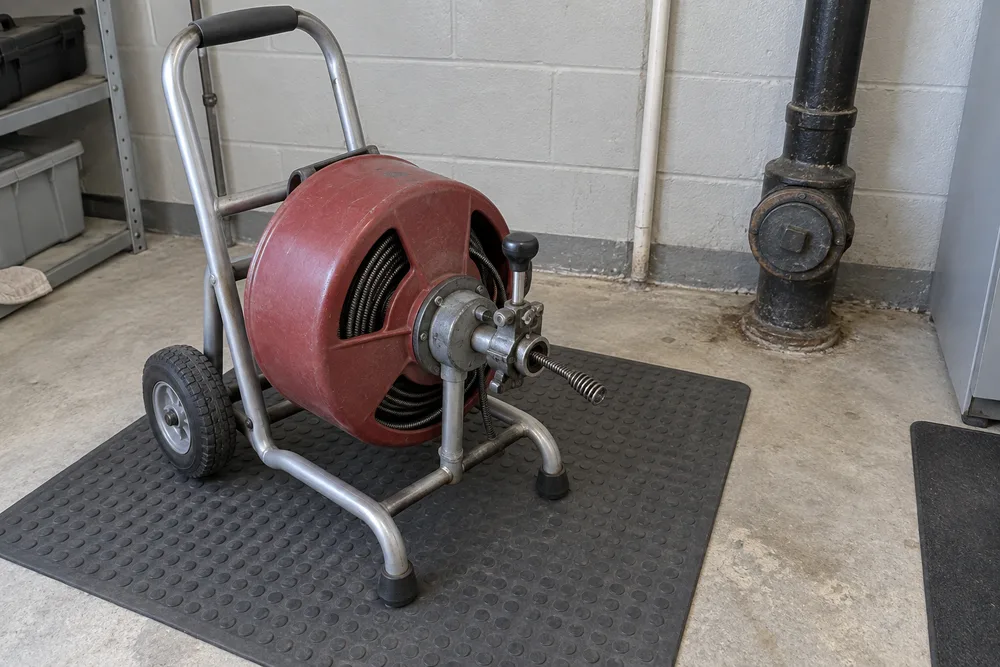
Sewer rodding uses a mechanical cable and cutting head to break through or pull apart a blockage inside the sewer line. It is commonly used when a main line is backing up, slow to drain, or clogged enough that everyday plunging won’t reach the problem.
The goal is to restore flow through the line you already have. If the blockage is grease, paper buildup, roots, or debris, rodding may open the passage enough for wastewater to move again.
The service is most useful when the line is accessible and the blockage is reachable from a cleanout or another approved access point. If access is limited, the contractor may need to discuss other ways to reach the line or recommend a different service path.
- Clears many common main-line obstructions
- Works through an existing access point when available
- May be followed by inspection if the clog returns
- Does not replace damaged pipe or seal a leaking joint
How this differs from fixture drain cleaning
A kitchen sink or tub can clog on its own, while a sewer line problem usually shows up in more than one place or affects lower fixtures first. If only one sink is slow, the issue may stay on the fixture side. If toilets, tubs, and basement drains are all involved, the shared line becomes more likely.
You can compare those patterns more closely on the fixture versus main line guide before choosing the service.
When sewer rodding makes sense
Rodding is a practical choice when drains are slow across the home, a toilet backs up after flushing, or wastewater comes up through a lower drain. It also fits recurring stoppages where a line has been cleared before but is slowing down again.
Book it when you want the line opened first and diagnosed second. That is especially true when the immediate concern is getting the sewer moving and limiting the mess.
For example, suppose the basement floor drain starts overflowing after a toilet flush and the kitchen sink is also slow. That pattern points toward a shared-line problem, so rodding the main sewer is more sensible than focusing on one fixture drain.
If the backup follows a storm, the contractor may ask whether the issue affects several fixtures, whether water was used heavily, and whether the problem appeared during peak rain. Calumet City’s flood information distinguishes sewer backups from other drainage problems, so that context matters when the contractor decides what to check next.
- Multiple slow or backed-up fixtures
- Repeat blockage after a recent cleaning
- Lower-level wastewater return such as a floor drain
- Backups that appear after normal household use
When another service may be a better fit
If only one sink, tub, or toilet is affected, a fixture-specific cleaning may be enough. If you need a better look at the line after clearing, a camera inspection may be the next step instead of more mechanical cleaning.
If the line is packed with heavy grease or repeated debris, hydro jetting may be discussed after the contractor checks access and pipe condition. That decision depends on what the line can handle and what the blockage looks like once it is opened.
Water backing up now?
Pause water use and call. Emergency calls are accepted 24/7.
Access and pipe condition change the job
Rodding is straightforward when there is a usable cleanout and the pipe is in reasonable shape. It gets more complicated when access is limited, the line has sharp turns, or the pipe has repeated buildup that keeps catching the cable.
Access controls how directly the contractor can reach the blockage. Pipe condition controls how aggressively the line should be cleaned. Those are separate questions.
If the line is older, heavily scaled, or already known to have root entry, the contractor may explain what rodding can clear and what it cannot fix. The line may move again after cleaning, but that does not mean the opening that caused the clog has been solved.
A camera inspection can help separate a stubborn clog from a damaged section, but it is not magic. It shows what the camera can see, not every hidden defect in the line.
- Cleanout access can make the work faster and cleaner
- Bends, offsets, or fragile sections can limit how aggressively the line is treated
- Recurring clogs can point to a recurring condition, not just a one-time blockage
- Inspection may be useful if the line keeps slowing down after cleaning
Hypothetical comparison of two homes
In one home, the main cleanout is reachable and the pipe has a simple blockage near the opening. In another, access is awkward and the line has layered buildup or root intrusion farther out. The first may be cleared with a more direct mechanical pass, while the second may call for more discussion about cleaning limits and whether inspection should follow.
That difference is why the contractor will want to know what is backing up, where it is backing up, and whether anyone has already tried to clear it.
What to expect during the visit
The contractor usually starts with symptoms, access, and a quick look at how the problem is showing up. That conversation helps confirm whether the work should focus on the main sewer line or a fixture drain.
Expect questions about which drains are slow, what caused the backup to start, and whether the line has clogged before. If the issue is active, the safest step is to stop running water and leave the fixtures alone until the line is being worked on.
Once the contractor can reach the line, the cable is run to break through the stoppage and restore flow. If conditions allow, the contractor may then check whether the line drains normally or whether more evaluation is worth discussing.
If the line clears but still seems sluggish, that is useful information. It often means the problem is not just a single plug, and the contractor may talk through inspection or another cleaning method.
- Share the affected fixtures and when the problem began
- Mention any recent cleaning, heavy rain, or repeated backups
- Keep water use paused if wastewater is coming back up
- Let the contractor decide how to approach the access point
What not to do first
Do not keep flushing to test the line if wastewater is already returning somewhere else. Do not pour chemical cleaners into a sewer backup and hope they solve a main-line blockage. And do not open a pressurized cleanout cap just because someone gives phone instructions; that can make a messy situation worse.
How to decide whether to call now
Call now if wastewater is backing up, several drains are affected, or a recent slowdown has turned into a full blockage. Those are the signs that a main line needs attention sooner rather than later.
If the sewer is actively backing up, stop using water and get the problem reported. If the issue is only one fixture, the cleaner should match that fixture instead of assuming the main line. If the problem keeps returning, ask about inspection after clearing.
If you’re still sorting out which symptom you have, the backup guide and the rodding guide can help you compare symptoms without guessing. Once the pattern is clear, the contractor can focus on the access point and the right clearing method.
The simplest next step is to describe what is backing up, where it shows up, and whether the issue started during heavy rain, after normal use, or after a previous cleaning. That gives the contractor enough context to decide how to proceed.
- Active backup with wastewater returning
- Several fixtures slowing or backing up together
- Repeat clog after a recent cleaning
- Need to decide whether inspection should follow
One useful local note
Calumet City Public Works includes water and sewer responsibilities and provides current reporting contacts on its official page. If the contractor believes the issue may involve public infrastructure, those city contacts become relevant alongside private service.
Quick comparison: which service fits the symptom
| What you’re seeing | Best first fit | Why it fits |
|---|---|---|
| One sink or tub is slow | Fixture drain cleaning | The problem may be local to that fixture or trap. |
| Several drains back up or gurgle | Main sewer rodding | Shared-line blockage is more likely. |
| Sewer still slows after clearing | Inspection | A camera can help show recurring buildup or damage. |
| Heavy residue or repeated buildup | Hydro jetting | A stronger cleaning may be discussed after access and condition are checked. |
Questions homeowners ask
Is sewer rodding the same as snaking?
In everyday use, people often mean the same kind of mechanical clearing. The important part is that the contractor is using a cable to open the line, not replacing pipe or doing a camera inspection.
What if my backup only happens during rain?
Rain-related backups can involve the private line, the property drainage setup, or the public sewer system. Calumet City’s flood information separates sewer backups from other drainage problems, so the contractor may ask about storm timing before deciding what fits.
Will rodding fix root problems forever?
It can clear roots from the line, but clearing is not the same as fixing the place where roots are getting in. If roots keep returning, a camera inspection or root-specific follow-up may be worth discussing.
Can I keep using water if the drain is just slow?
If wastewater is returning anywhere, pause water use until the line is checked. If only one fixture is slow and nothing is backing up, limited use may be possible, but it is still better to avoid overloading the line until the contractor has looked at it.
What should I tell the contractor when I call?
Say which fixtures are involved, whether wastewater is backing up, whether the problem started after rain or normal use, and whether the line has clogged before. That short description is often enough to guide the first service choice.
Local resources
Use these official resources for municipal or utility information. They are separate from Plumbers 911.